

Common Questions About Hearing Exams, Expertly Answered
Whether you've noticed it's harder to follow conversations lately, or you simply want to stay on top of your hearing health, getting the right information is the first step. At Accurate Hearing Technology Inc., we've put together answers to the questions our patients ask most, covering everything from what to expect during a hearing test to understanding your treatment options. Browse the FAQs below to get informed, and reach out to our team whenever you're ready to take the next step.
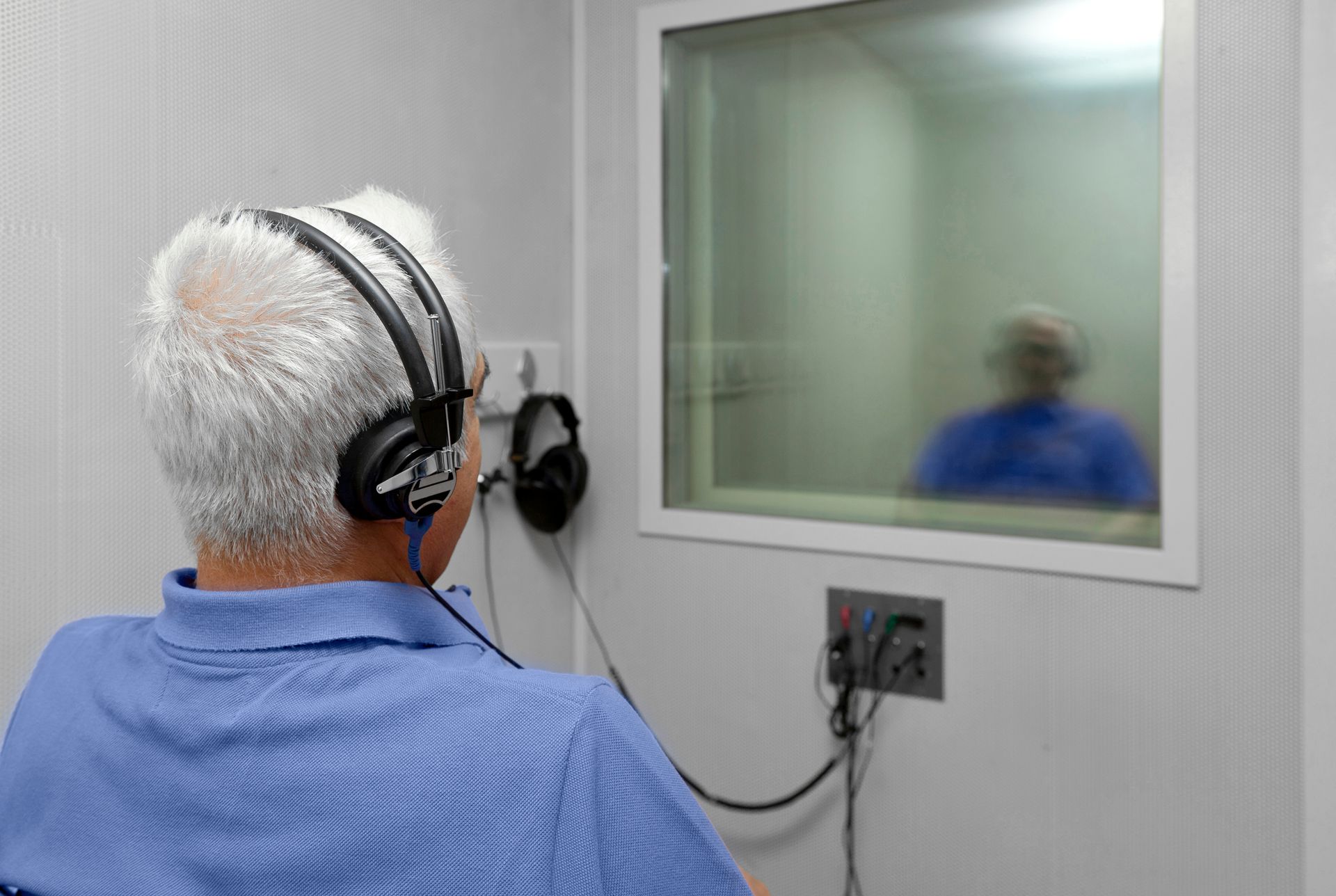
How Much Does a Hearing Test Cost in Lake Mary, FL?
A hearing test in Lake Mary, FL, typically ranges from free to around $250, depending on the provider and the depth of the evaluation. Many audiology clinics and hearing centers offer complimentary baseline screenings, while a comprehensive audiological exam, which includes multiple tests and a full consultation, may carry a fee. Most health insurance plans, including Medicare, cover diagnostic hearing evaluations when ordered by a physician, so it's worth confirming your benefits before your appointment.
What Is the Difference Between a Hearing Screening and a Full Hearing Evaluation?
A hearing screening is a quick pass/fail test, usually 5 to 10 minutes, designed to flag whether further testing is needed. A full hearing evaluation, on the other hand, is a comprehensive diagnostic exam performed by a licensed audiologist. It measures the type, degree, and configuration of any hearing loss, identifies potential underlying causes, and informs a treatment plan. If you're experiencing noticeable hearing difficulties or ringing in your ears, a full evaluation is the appropriate next step.
Does Medicare or Health Insurance Cover Hearing Exams?
Medicare Part B covers diagnostic hearing and balance exams when ordered by a doctor to determine a medical diagnosis. However, routine hearing screenings and hearing aids are generally not covered by traditional Medicare. Many Medicare Advantage plans do include hearing benefits, so your specific plan matters. For residents in Lake Mary, it's a good idea to call your insurance provider before scheduling to ask exactly what hearing services are covered and whether you need a referral.
Why Are My Hearing Aids Not Working Properly?
The most common reasons hearing aids stop working include a dead or low battery, a clogged microphone or receiver port, moisture damage, or a wax blockage in the ear canal. Before assuming the device is broken, try replacing the battery, gently cleaning the device with a dry cloth or soft brush, and checking that the volume and program settings haven't changed. If the issue persists, visit your hearing care provider in Lake Mary for a professional cleaning or diagnostic check; most clinics offer these adjustments as part of their ongoing care.
How Often Should I Get My Hearing Tested After Being Fitted With Hearing Aids?
Once you've been fitted with hearing aids, most audiologists recommend a follow-up hearing test at least once a year. Your hearing can change over time, and annual exams ensure your devices are still calibrated to your current needs. Many audiology practices include annual rechecks as part of their hearing aid service packages. Staying on schedule with these visits helps you get the most out of your devices and catch any changes in your hearing before they become more significant.
Can Earwax Buildup Cause Hearing Loss?
Yes, excessive earwax buildup is one of the most common and easily reversible causes of hearing loss. When wax accumulates and blocks the ear canal, it can muffle sounds and make it feel like you're hearing through a pillow. If you're noticing sudden muffled hearing, a sensation of fullness in the ear, or mild ringing, impacted earwax may be the culprit. An audiologist or physician in Lake Mary can safely remove the buildup during a quick office visit, and your hearing often returns to normal immediately after.
What Is Tinnitus and Can a Hearing Exam Detect It?
Tinnitus is the perception of a ringing, buzzing, hissing, or clicking sound in one or both ears when no external sound is present. A hearing test won't record tinnitus directly since it's a subjective experience, but a comprehensive audiological evaluation can identify whether underlying hearing loss or another condition is contributing to it. In Lake Mary, audiologists use a combination of pure-tone testing and detailed case history to develop a clearer picture of what's driving your tinnitus and recommend appropriate next steps.
Is Hearing Loss a Normal Part of Aging?
Age-related hearing loss, known as presbycusis, is extremely common and affects roughly one in three adults over the age of 65. It typically develops gradually and affects both ears equally, making high-pitched sounds and speech clarity the first things to go. While it is a natural part of aging, it is not something you simply have to accept without help. Early detection through regular hearing tests allows audiologists to recommend hearing aids or other interventions that can meaningfully improve quality of life and reduce the risk of social isolation and cognitive decline.
Your hearing affects every conversation, relationship, and moment of daily life, and the sooner a problem is identified, the more options you have. Whether you've been putting off a test for years or you're noticing changes for the first time, we're here to help you hear better and feel confident doing it. Call us today or book your appointment online.





